Blog

You chose a bilingual daycare for a reason. Over the past few years, your child has gone from babbling to giving instructions, telling stories, and singing songs in two languages. Then comes the question that catches so many Houston families off guard. What happens after bilingual daycare? Most local elementary options quietly drop immersion, and the Spanish you worked so hard to build starts to fade.
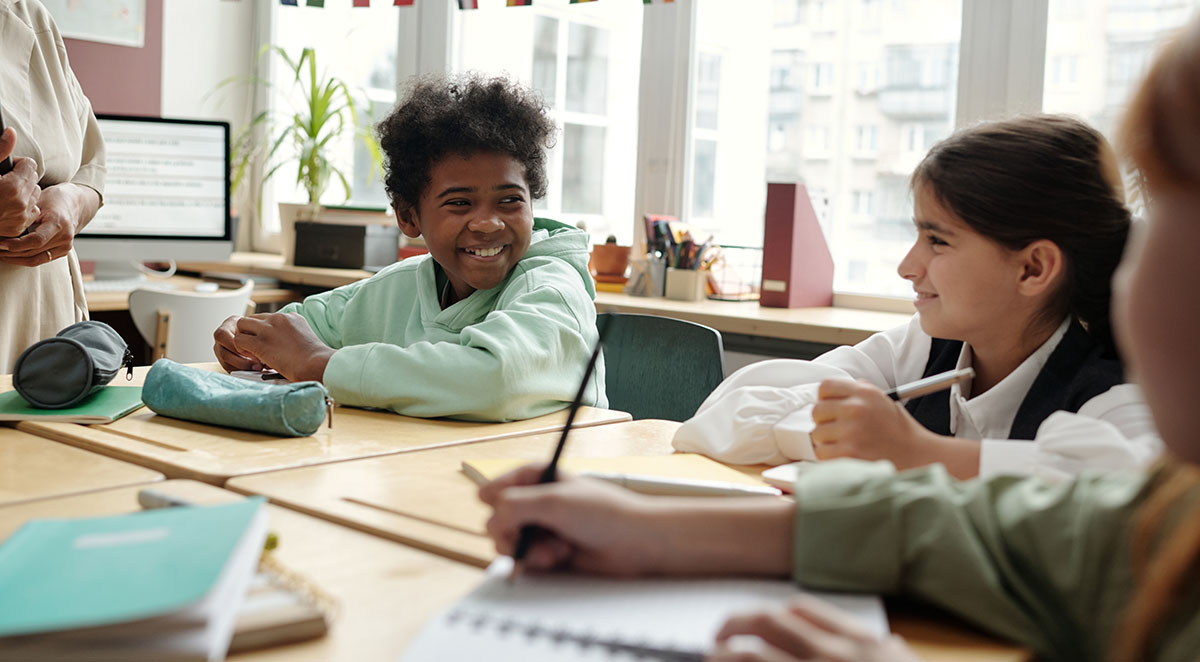
Houston parents face an overwhelming array of educational choices that didn't exist when they were students. Beyond the traditional public versus private school debate, innovative options like microschools, charter schools, and hybrid programs have emerged, each promising unique benefits for children's learning and development.
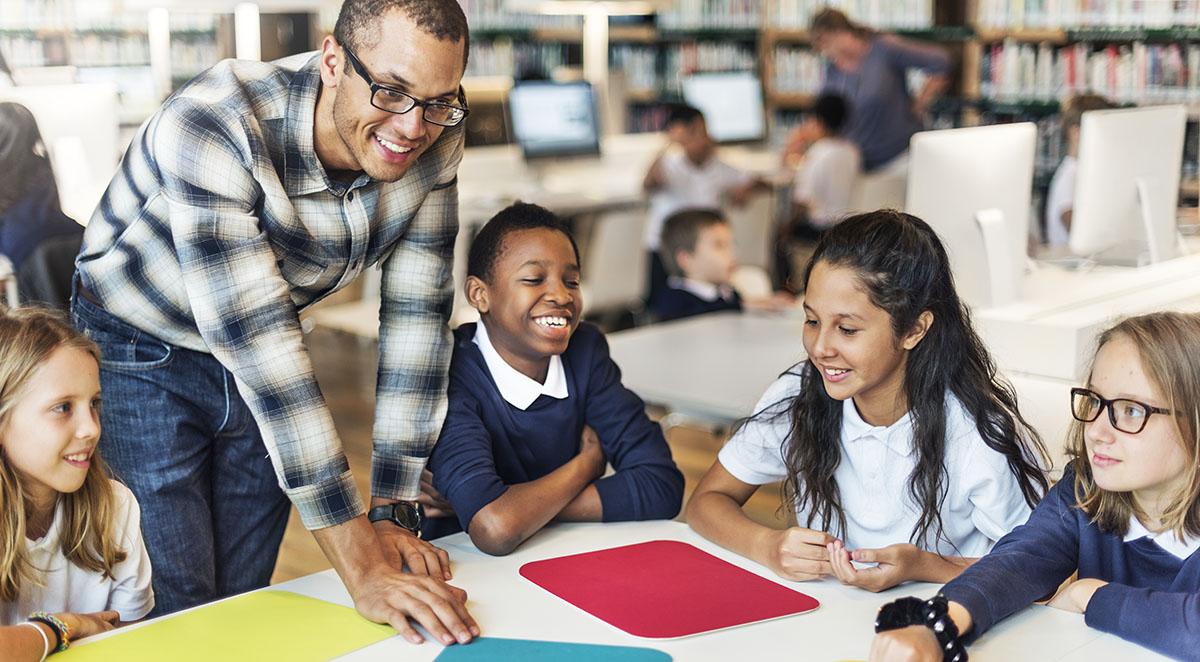
Walk into most elementary schools today, and you'll find children sorted into classrooms based on one criterion: their birth year. Six-year-olds learn alongside other six-year-olds, seven-year-olds with seven-year-olds, regardless of their individual developmental readiness, interests, or academic abilities. This age-based grouping system seems so natural that we rarely question whether it actually serves children's learning needs.
But what if this fundamental assumption about how to organize learning is actually limiting our children's potential? What if the artificial boundaries we create between "kindergarten skills" and "first-grade skills" prevent children from reaching their full academic and social potential?

When parents in Houston consider educational options for their children, one question often arises: "When is the best time for my child to learn a second language?" The answer, backed by decades of neuroscience research, is clear—elementary school represents the optimal window for second language acquisition, offering profound benefits that extend far beyond simple communication skills.