Blog

For years, Houston families paying for private school, tutoring, or homeschool materials had to do it entirely on their own. That is changing. Texas now has a statewide education savings account program, and many families across the city are asking the same questions: what is it, who qualifies, and how much could it actually cover? If you are planning ahead for the 2027-28 school year, now is the time to understand how the program works so you are ready when the next application window opens.
This guide explains the Texas education savings account program in plain language, walks through eligibility and funding, and lays out what Houston families can do today to prepare. A quick note before we begin. This is general information, not legal or financial advice, and program details are still being finalized. Always confirm the current rules with the official state program before making decisions for your family.
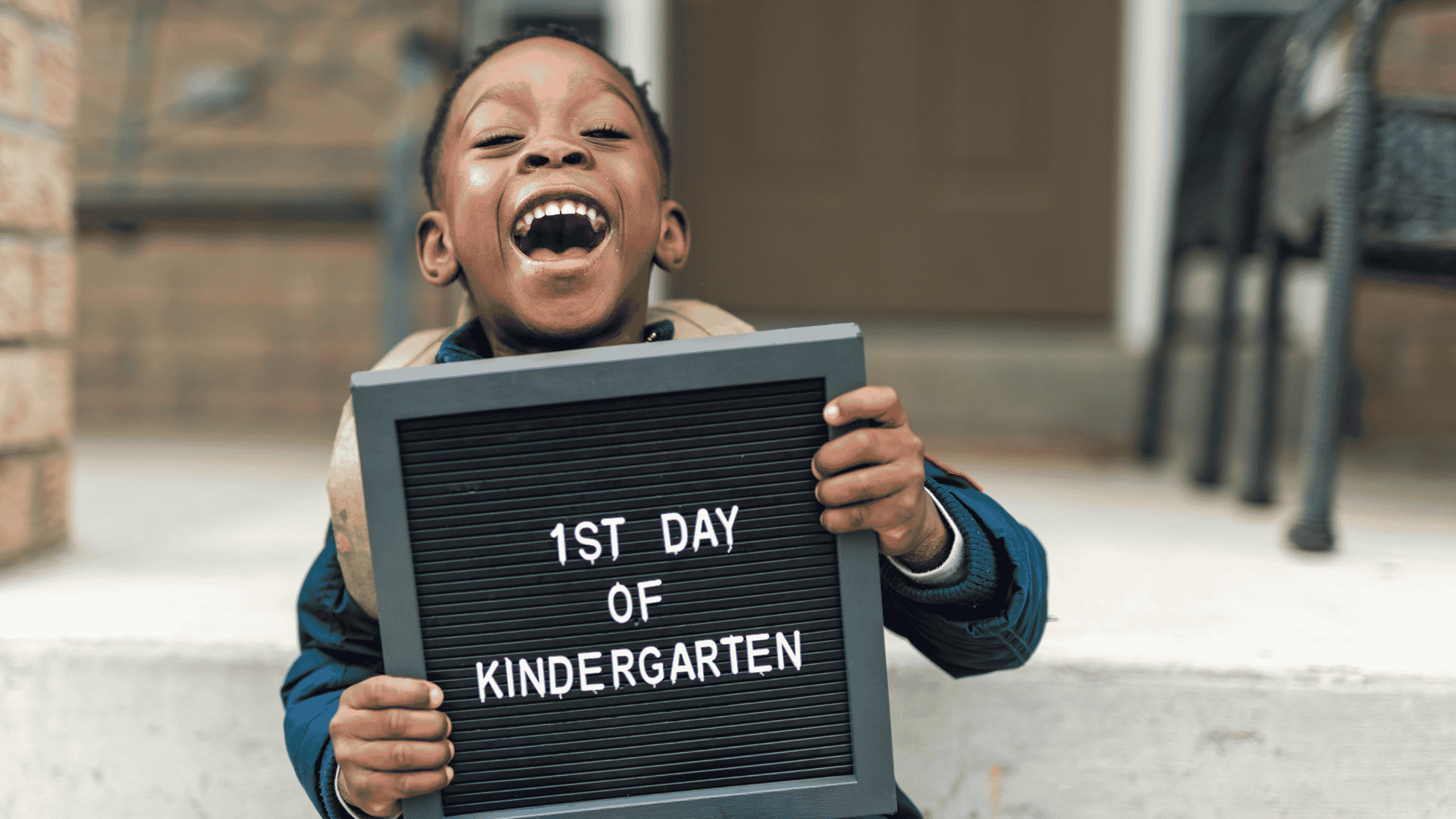
If you have a three or four year old, you are probably already wondering what comes next. Daycare and preschool are winding down, and the big question is taking shape: is your child ready for kindergarten? For bilingual families in Houston, that question carries an extra layer. You want your child to be ready academically and socially, and you do not want the second language you have nurtured to fall by the wayside in the process.
Here is the reassuring part. Kindergarten readiness is not mainly about whether your child can already read or count to one hundred. The skills that matter most are the ones that help a child manage themselves, focus, and keep learning, and those skills can grow in two languages at once. This guide walks through what readiness really means, why it looks a little different for bilingual children, and how to help your child arrive confident and prepared.
When we set out to build iBis Learning, we asked ourselves a simple question: how do we make sure every decision moves us closer to the school our families deserve? One answer kept rising to the top. Pursue accreditation with the Middle States Association (MSA).

Houston is home to one of the largest and most active homeschool communities in the country. Families here choose to homeschool because they believe their children deserve something better than ordinary, and they are willing to take ownership of that education themselves. Yet even the most committed homeschool families in Houston eventually run into the same honest question. How do I keep delivering a strong, well-rounded education without doing absolutely everything myself?