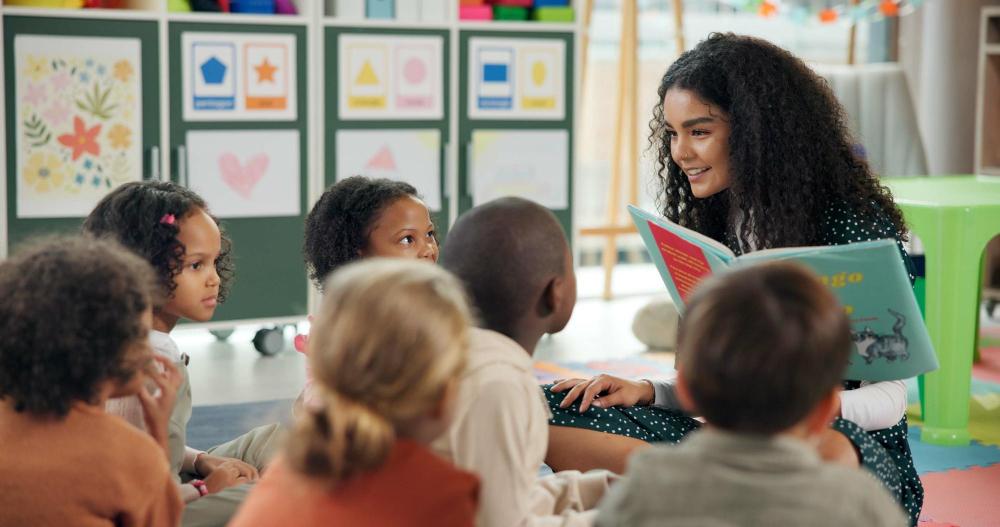
 Traditional education operates on a fundamental assumption: that all children of the same age should learn the same content, in the same way, at the same pace, regardless of their individual interests, learning styles, or developmental readiness. This one-size-fits-all approach may be administratively convenient, but it often fails to serve the diverse needs of real children with unique personalities, strengths, and learning patterns.
Houston families increasingly recognize that their children thrive when education adapts to their individual needs rather than forcing them to conform to rigid institutional expectations. They seek schools that honor their children's natural curiosity, build on their interests and strengths, and provide the personalized attention that helps each child reach their full potential.
Personalized Learning That Honors Every Child
Child-centered education represents a fundamental shift from institutional convenience to individual child advocacy, creating learning environments where educational approaches adapt to children rather than requiring children to adapt to predetermined systems.
What Child-Centered Education Really Means
Child-centered education places each individual child at the center of educational decisions, designing learning experiences that match their developmental needs, interests, and learning style rather than age-based assumptions or administrative requirements.
Individual Learning Styles and Paces
Every child processes information differently and develops at their own unique pace across various skill areas:
- Some children learn best through visual information and need opportunities to see concepts represented through images, diagrams, and written materials before they fully understand new ideas.
- Others are auditory learners who benefit from discussion, explanation, and opportunities to verbalize their thinking as they work through complex concepts.
- Kinesthetic learners need movement and hands-on manipulation to understand abstract concepts, requiring active engagement rather than passive listening or observation.
- Many children combine learning styles or demonstrate different preferences depending on the subject matter, time of day, or complexity of the material they're learning.
Child-centered approaches recognize these differences and provide multiple ways to access information, demonstrate understanding, and engage with learning rather than assuming all children learn identically.
Interest-Driven Learning
Children naturally learn more effectively when content connects to their genuine interests and curiosities:
- A child fascinated by dinosaurs may develop reading skills more readily through paleontology books than through generic early readers, while simultaneously building science knowledge and vocabulary.
- Students interested in cooking can explore mathematics through recipe modification, measurement conversion, and fraction computation in meaningful contexts that make abstract concepts concrete.
- Children drawn to music may demonstrate mathematical understanding through rhythm patterns, develop historical knowledge through different musical periods, or explore physics through sound production and amplification.
Child-centered education identifies and builds upon these interests rather than treating them as distractions from "real" learning, recognizing that engagement drives deeper understanding and retention.
Student Voice and Choice
Meaningful child-centered education includes children as partners in their learning journey:
- Students participate in goal-setting conversations where they identify areas of strength and growth, contributing to learning plans that feel personally meaningful rather than externally imposed.
- Children exercise appropriate choices about learning activities, project topics, and demonstration methods within structured frameworks that ensure academic skill development.
- Regular reflection opportunities help students develop metacognitive awareness by thinking about their learning processes, identifying successful strategies, and recognizing areas for continued growth.
Student feedback on instructional approaches helps teachers adapt their methods to better serve individual learning needs and preferences.
Benefits of Child-Centered Approaches
Educational approaches that prioritize individual children's needs produce superior outcomes in academic achievement, engagement, and long-term learning success.
Increased Engagement and Motivation
When learning connects to children's interests and respects their learning preferences, engagement increases dramatically:
- Children demonstrate sustained attention and persistence when working on projects or activities that genuinely interest them, developing concentration skills that transfer to less preferred tasks.
- Intrinsic motivation develops as children experience the satisfaction of pursuing their curiosities and achieving goals they've helped establish rather than completing externally imposed requirements.
- Learning becomes joyful rather than burdensome when children feel heard, valued, and supported in their individual development rather than compared against external standards that may not match their developmental timeline.
Better Learning Outcomes
Research consistently demonstrates that personalized, child-centered approaches produce superior academic results:
- Children achieve deeper understanding when they can connect new information to their existing interests and knowledge rather than learning isolated facts without meaningful context.
- Retention improves significantly when children learn through preferred modalities and can apply new skills in personally meaningful contexts rather than artificial exercises.
- Transfer of learning increases as children understand connections between concepts and can apply knowledge creatively rather than simply reproducing information for tests.
Critical thinking develops more readily when children pursue genuine questions and investigations rather than completing predetermined activities with known answers.
Stronger Self-Advocacy Skills
Child-centered education develops essential life skills that serve children throughout their educational journey and into adulthood:
- Children learn to articulate their needs, preferences, and learning goals effectively, developing communication skills that help them navigate future educational and professional environments.
- Self-awareness increases as children reflect on their learning processes, recognize their strengths and challenges, and develop strategies for success in various situations.
- Confidence builds as children experience success in areas of strength while receiving appropriate support in areas of growth, creating positive associations with learning and challenge.
Independence develops gradually as children take increasing responsibility for their learning while receiving appropriate guidance and support from caring adults.
Child-Centered vs. Traditional Education
Understanding the differences between child-centered and traditional approaches helps families make informed educational decisions.
Instructional Approach Differences
Traditional education typically uses standardized curricula delivered through uniform instruction to all students regardless of individual needs or interests.
Child-centered education adapts instructional methods, pacing, and content focus to match individual children's learning styles, interests, and developmental readiness while maintaining rigorous academic standards.
Traditional approaches often emphasize teacher-directed instruction where children passively receive information through lectures, textbooks, and standardized activities.
Child-centered approaches balance teacher guidance with student exploration, collaborative learning, and hands-on investigation that engages children as active participants in their education.
Assessment Variations
Traditional schools typically rely heavily on standardized tests and uniform assessments that compare children against age-based expectations regardless of individual circumstances.
Child-centered approaches use multiple assessment methods including portfolio development, project-based demonstrations, and individual progress monitoring that documents each child's growth over time.
Traditional grading systems often emphasize comparison and competition among students rather than individual growth and mastery.
Child-centered evaluation focuses on individual progress toward personal and academic goals while maintaining appropriate challenge and support for continued development.
Classroom Environment Contrasts
Traditional classrooms typically arrange students in uniform seating facing forward toward teacher-directed instruction with limited opportunities for movement or collaboration.
Child-centered environments provide flexible seating options, learning centers, quiet spaces, and collaborative areas that accommodate different learning preferences and activities throughout the day.
Traditional schedules often require all students to engage with the same content at the same time regardless of their readiness, interest, or optimal learning times.
Child-centered scheduling allows for longer work periods, flexible transitions, and opportunities for children to work at appropriate challenge levels while maintaining community experiences and shared learning goals.
iBis Learning's Child-Centered Model
Our educational approach combines child-centered principles with academic rigor and systematic skill development, creating personalized learning experiences within a supportive community environment.
Mixed-Age Groupings
Our mixed-age classrooms serving children ages 4-8 create natural opportunities for individualized learning:
- Children work at their appropriate challenge level regardless of their chronological age, allowing advanced learners to access complex material while ensuring struggling students receive appropriate support and practice.
- Peer mentoring relationships develop naturally as older or more experienced children support younger peers, creating authentic contexts for leadership development and collaborative learning.
- Social-emotional benefits emerge as children interact with peers at different developmental stages, building empathy, communication skills, and comfort with diversity.
- Academic flexibility increases as children can participate in learning groups based on skill level or interest rather than age-based assumptions about readiness or ability.
Interest Integration
We systematically identify and build upon each child's interests and passions:
- Individual learning plans incorporate children's genuine curiosities and interests into academic skill development, making learning personally meaningful and engaging.
- Project-based learning opportunities allow children to pursue deep investigations in areas of interest while developing research, communication, and critical thinking skills.
- Flexible curriculum delivery adapts content presentation and activity choices to match individual learning preferences while ensuring mastery of essential academic skills.
- Community expert connections bring parents and community members into the classroom to share their expertise in areas that match children's interests and career curiosities.
Individual Learning Plans
Each child has a personalized learning plan developed collaboratively between teachers, families, and the child:
- Strength-based approaches identify and build upon each child's natural abilities and interests while providing appropriate support in areas of growth.
- Goal-setting involves children in identifying their learning objectives and preferred methods for achieving them, creating personal investment in educational outcomes.
- Progress monitoring tracks individual growth over time rather than comparing children against external standards, celebrating achievements and identifying areas for continued focus.
- Family partnership ensures that home and school approaches complement each other, creating coherent support for each child's development.
Student Choice Within Structure
We provide meaningful choices while maintaining the structure that developing children need:
- Learning activity options allow children to select among various ways to engage with content and demonstrate their understanding while ensuring coverage of essential skills.
- Flexible scheduling accommodates individual attention needs, optimal learning times, and interest-driven deep dives while maintaining community experiences and shared learning opportunities.
- Democratic decision-making includes children in classroom rule development, activity planning, and problem-solving while maintaining appropriate adult guidance and support.
Houston Family Considerations
Child-centered education in Houston must balance individual focus with preparation for future educational environments and career success.
Preparation for Traditional Schools
Children from child-centered programs often transition successfully to traditional environments because they've developed essential life skills:
- Self-advocacy abilities help children communicate their needs, seek appropriate help, and navigate larger, more impersonal educational environments effectively.
- Learning independence developed through child-centered approaches enables students to take initiative, manage their responsibilities, and persist through challenges.
- Strong foundation skills acquired through engaging, personalized instruction transfer effectively to traditional classroom expectations and assessments.
- Confidence and positive learning associations help children maintain motivation and engagement even in less personalized environments.
Long-term Academic Success
Research on child-centered education shows positive long-term outcomes:
- Students from child-centered programs demonstrate higher levels of creativity, critical thinking, and problem-solving abilities throughout their educational careers.
- Social-emotional skills developed through personalized attention and community participation serve students well in collaborative academic and professional environments.
- Intrinsic motivation patterns established early continue to drive learning and achievement throughout high school and college experiences.
- Leadership abilities developed through meaningful participation in educational decisions prepare students for success in academic and career environments that value initiative and collaboration.
Frequently Asked Questions
Does child-centered education lack academic rigor?
Quality child-centered programs maintain high academic standards while adapting instructional approaches to individual needs. Children often achieve higher levels of understanding and retention because they learn through methods that match their learning styles and connect to their interests.
How do you ensure children learn essential skills they might not choose on their own?
Child-centered approaches present required skills through engaging activities and meaningful contexts rather than isolated drill and practice. Teachers skillfully weave essential academic content into projects and investigations that build on children's interests.
Will my child be prepared for standardized tests and traditional school expectations?
Children who develop strong learning skills, critical thinking abilities, and academic confidence through child-centered approaches typically perform well on various assessments. The key is building genuine understanding rather than test-taking strategies.
How do you maintain classroom management with individualized approaches?
Child-centered environments often have fewer behavioral challenges because children feel valued, engaged, and appropriately challenged. Clear expectations, meaningful choices, and strong relationships create positive classroom cultures.
What if my child lacks motivation or doesn't show clear interests?
All children have interests and strengths, though they may not be immediately apparent. Skilled teachers observe carefully, offer varied experiences, and help children discover their passions while ensuring academic skill development.
Child-centered education represents a return to what we know about how children learn best: through engaging activities, meaningful relationships, and approaches that honor their individual strengths and interests. For Houston families seeking alternatives to one-size-fits-all education, child-centered approaches offer personalized learning that prepares children for academic success and lifelong learning.
At iBis Learning, our child-centered model combines individualized attention with rigorous academics, creating learning experiences that adapt to each child's needs while maintaining high expectations and systematic skill development. Our mixed-age environment, small class sizes, and family partnership create optimal conditions for personalized learning that honors every child.
The future belongs to creative, adaptable, collaborative individuals who can think critically and communicate effectively. Child-centered education develops these essential abilities by respecting children's natural learning patterns while ensuring academic competence and social-emotional growth.
Contact iBis Learning today to learn more about our child-centered approach and discover how personalized education can help your child thrive. Schedule a tour to observe individualized learning in action and see how we create educational experiences that truly serve each child's unique needs and potential.