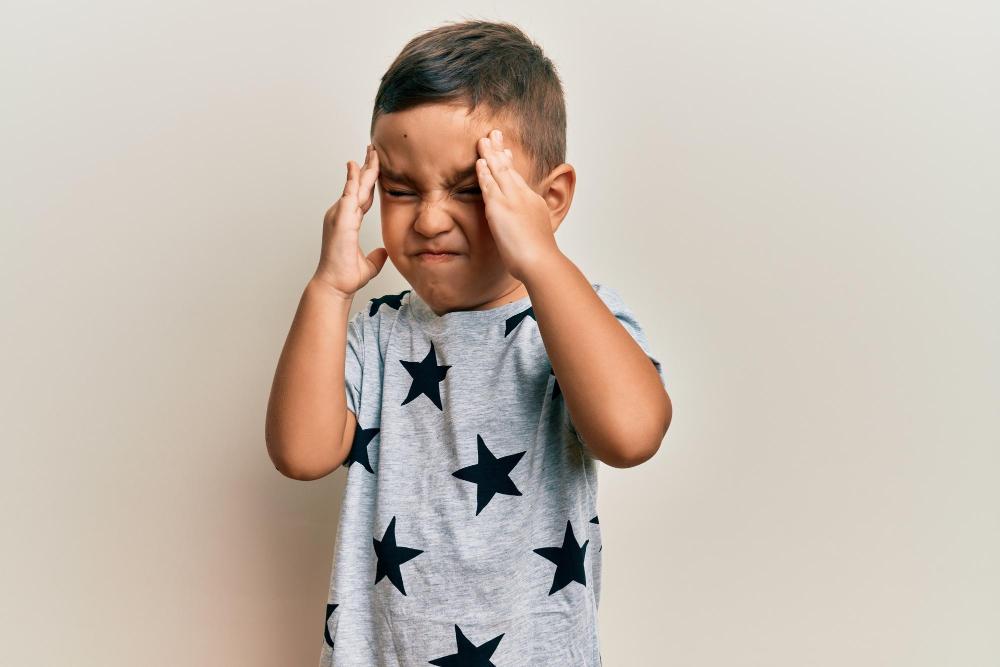
 Houston parents increasingly notice their children struggling with challenges that weren't as prominent in previous generations: difficulty focusing during homework time, meltdowns when faced with frustrating tasks, impulsive decision-making that affects friendships, and emotional reactions that seem disproportionate to the triggering events. These behaviors often stem from underdeveloped self-regulation skills—the mental abilities that help children manage their emotions, control their impulses, and direct their attention purposefully.
In our fast-paced, digitally connected world, children face unprecedented demands on their developing self-regulation systems. The constant stimulation from screens, overscheduled daily routines, and reduced opportunities for unstructured play all contribute to what many developmental experts call a "self-regulation crisis" among today's children.
Building Essential Life Skills for Academic and Social Success
The good news? Self-regulation skills can be taught, practiced, and strengthened through intentional educational approaches that prioritize these critical abilities alongside academic content. For Houston families seeing their children struggle with emotional control, attention challenges, or impulsive behaviors, schools that specialize in self-regulation development offer hope and practical solutions.
Understanding Self-Regulation in Children
Self-regulation encompasses the mental skills that enable children to manage their emotions, control their impulses, focus their attention, and adapt their behavior to meet changing demands and expectations.
What Self-Regulation Means Developmentally
Self-regulation develops gradually throughout childhood and includes several interconnected abilities:
Emotional regulation involves recognizing, understanding, and managing emotional responses appropriately. Children with strong emotional regulation can calm themselves when upset, express feelings constructively, and bounce back from disappointments.
Impulse control enables children to think before acting, resist immediate gratification when necessary, and make thoughtful choices rather than reactive decisions.
Attention regulation allows children to focus on relevant information while filtering out distractions, sustain concentration during challenging tasks, and shift attention flexibly when situations change.
Behavioral regulation helps children adapt their actions to match social expectations, follow multi-step directions, and persist through difficulties without giving up.
Why Self-Regulation is More Challenging Today
Modern childhood presents unique challenges to developing self-regulation skills:
- Digital environments provide instant gratification and constant stimulation, making it harder for children to develop patience and sustained attention. Research from the American Academy of Pediatrics shows that excessive screen time during early childhood correlates with increased attention difficulties and emotional dysregulation.
- Overscheduled lifestyles leave little time for the free play and boredom that traditionally helped children develop self-entertainment skills and emotional resilience.
- Academic pressure starting at younger ages can create stress that overwhelms developing self-regulation systems, leading to anxiety, avoidance, or behavioral outbursts.
- Reduced physical activity limits opportunities for children to learn self-regulation through body awareness, movement, and physical challenge.
The Importance of Self-Regulation Skills
Strong self-regulation abilities serve as the foundation for success in academics, relationships, and life satisfaction throughout development and into adulthood.
Academic Success Connections
Research consistently demonstrates that self-regulation skills predict academic achievement more strongly than IQ or early academic skills. Children with well-developed self-regulation can:
- Sustain attention during instruction and independent work
- Manage frustration when learning becomes challenging
- Organize materials and manage time effectively
- Seek help appropriately when needed
- Persist through difficult tasks without giving up
- Transition smoothly between different activities and expectations
The Chicago Consortium on School Research found that kindergarten students with strong self-regulation skills showed greater academic gains throughout elementary school, regardless of their initial academic abilities or family background.
Social-Emotional Benefits
Self-regulation skills enable children to build positive relationships and navigate social situations successfully:
Children with emotional regulation skills can express their needs and feelings constructively, resolve conflicts peacefully, and maintain friendships even when disagreements arise.
Those with impulse control think before speaking or acting, consider others' perspectives, and make choices that maintain positive relationships rather than creating social problems.
Strong attention regulation helps children engage meaningfully in group activities, follow social cues, and participate appropriately in conversations and collaborative work.
Long-term Life Outcomes
The benefits of early self-regulation development extend far into the future. Longitudinal studies following children from preschool into adulthood show that those with stronger early self-regulation skills experience:
- Higher educational achievement and career success
- Better physical health and lower rates of substance abuse
- Stronger relationships and greater life satisfaction
- Reduced risk of mental health difficulties
- Enhanced leadership abilities and civic engagement
How Schools Can Support Self-Regulation
Effective self-regulation education requires intentional instructional approaches, environmental design, and daily practice opportunities that go beyond simply telling children to "calm down" or "pay attention."
Environmental Design
The physical and social environment significantly impacts children's ability to regulate their emotions, attention, and behavior:
Calm, organized spaces help children feel secure and focused rather than overstimulated or anxious. This includes using natural lighting when possible, reducing visual clutter, and creating quiet spaces where children can retreat when feeling overwhelmed.
Predictable routines and clear expectations provide the structure that developing self-regulation systems need to function effectively. Children feel more secure and can allocate their mental energy to learning rather than figuring out what's expected.
Sensory considerations address the reality that children have different sensory needs and sensitivities. Some children need movement breaks, others benefit from fidget tools, and many need explicit instruction in recognizing their sensory needs and seeking appropriate supports.
Explicit Instruction Approaches
Rather than assuming children will naturally develop self-regulation skills, effective schools teach these abilities directly:
- Mindfulness and breathing techniques give children concrete tools for managing strong emotions and refocusing attention when they become distracted or overwhelmed.
- Problem-solving strategies help children break down challenges into manageable steps, consider multiple solutions, and evaluate the consequences of different choices.
- Social skills instruction teaches children how to read social cues, communicate their needs effectively, and resolve conflicts constructively.
- Metacognitive strategies help children become aware of their own thinking processes, recognize when they're struggling, and implement appropriate learning strategies.
Practice Opportunities
Self-regulation skills strengthen through regular practice in authentic contexts:
- Challenging academic tasks provide natural opportunities for children to practice persistence, frustration tolerance, and help-seeking behaviors with teacher support.
- Social interactions during group work, recess, and collaborative projects allow children to practice emotional regulation, impulse control, and communication skills.
- Transitions between activities give children regular practice with flexibility, attention shifting, and behavioral adaptation.
iBis Learning's Self-Regulation Focus
Our educational approach integrates self-regulation skill development throughout every aspect of the school day, recognizing these abilities as essential foundations for all learning.
Executive Function Integration
We embed executive function skill development into all academic and social activities rather than treating it as a separate curriculum area. Children practice working memory during multi-step math problems, develop planning skills through project work, and strengthen attention control during focused reading time.
Our small class sizes allow teachers to provide individualized coaching, helping each child recognize their personal patterns and develop strategies that work for their unique needs and learning style.
Mixed-age learning environments provide natural opportunities for children to practice self-regulation in different social contexts, learning to adapt their behavior when interacting with younger children versus older peers.
Tools of the Mind Approach
We incorporate strategies from the Tools of the Mind curriculum, which focuses specifically on developing self-regulation through play-based activities and structured practice:
- Dramatic play experiences help children practice self-control by following character rules and storylines, developing the ability to regulate their behavior according to external guidelines.
- Memory games and activities strengthen working memory while making practice enjoyable and engaging rather than feeling like work.
- Attention-building exercises help children develop sustained focus and selective attention through games and activities that gradually increase in difficulty and duration.
Daily Practice and Coaching
Self-regulation development requires consistent practice with supportive feedback:
- Morning meetings provide opportunities for children to practice emotional check-ins, active listening, and respectful communication with peers and teachers.
- Conflict resolution protocols teach children to use specific steps when disagreements arise, practicing problem-solving and emotional regulation in authentic situations.
- Reflection time helps children develop metacognitive awareness by thinking about their learning, identifying successful strategies, and recognizing areas for continued growth.
- Individual coaching supports children in developing personalized strategies for managing their unique challenges, whether related to attention, emotional control, or behavioral regulation.
Houston Family Benefits
When children develop strong self-regulation skills at school, families experience positive changes that extend far beyond the classroom.
Reducing Homework Battles
Children with well-developed self-regulation skills approach homework more independently and with greater persistence:
- They can begin tasks without extensive parental prompting, sustain attention for appropriate periods, and manage frustration when work becomes challenging.
- Parents report fewer battles around homework completion, more peaceful evenings, and children who take greater responsibility for their learning.
- Improved organization skills help children manage materials, remember assignments, and plan their time more effectively.
Improving Family Dynamics
Self-regulation skills benefit entire family systems:
- Children with emotional regulation skills contribute to calmer household atmospheres, resolving sibling conflicts more constructively and expressing their needs more appropriately.
- Improved impulse control reduces behavioral incidents and safety concerns, allowing families to enjoy activities and outings without constant vigilance.
- Enhanced communication skills help children express their thoughts and feelings more clearly, reducing misunderstandings and strengthening family relationships.
- Better transition management helps families navigate daily routines more smoothly, from getting ready for school to bedtime procedures.
Supporting Self-Regulation at Home
While schools play a crucial role in self-regulation development, families can reinforce and extend this learning through home practices:
- Consistent routines provide the predictability that developing self-regulation systems need to function effectively. This includes regular bedtimes, meal times, and homework schedules that become automatic rather than requiring constant decision-making.
- Mindfulness practices such as deep breathing exercises, gratitude journals, or brief meditation can be integrated into family routines to help children develop emotional regulation tools.
- Physical activity opportunities allow children to release energy, develop body awareness, and practice self-control through sports, dance, or active play.
- Problem-solving conversations help children practice thinking through challenges and considering consequences before making decisions.
Frequently Asked Questions
How can I tell if my child needs help with self-regulation?
Signs that children may benefit from additional self-regulation support include frequent emotional outbursts disproportionate to triggers, difficulty beginning or completing tasks independently, problems with peer relationships, excessive impulsivity, or inability to calm down after becoming upset. If these behaviors interfere with learning or family life, explicit self-regulation instruction can help.
What's the difference between self-regulation and discipline?
Traditional discipline focuses on controlling behavior through external consequences, while self-regulation education teaches children internal skills for managing their emotions, attention, and behavior independently. Self-regulation approaches help children develop intrinsic motivation and self-control rather than simply compliance.
How long does it take for children to develop better self-regulation skills?
Self-regulation development is gradual and continues throughout childhood and adolescence. With consistent support and practice, most children show improvements in specific areas within 2-3 months, with more significant changes becoming apparent over 6-12 months of focused instruction and practice.
Will focusing on self-regulation take time away from academic learning?
Research shows that self-regulation instruction actually enhances academic learning by helping children focus better, persist through challenges, and manage the emotional demands of learning. Children with strong self-regulation skills learn more efficiently and retain information better.
How do you help children generalize self-regulation skills to different settings?
We practice self-regulation strategies in multiple contexts throughout the school day and explicitly discuss how these skills apply in different situations. We also partner with families to ensure consistent approaches between home and school settings.
The Houston Advantage
Houston's diverse, professional community creates ideal conditions for self-regulation education success. Many parents recognize these skills from their own professional environments, where emotional intelligence, impulse control, and attention management contribute significantly to career success.
The city's multicultural environment provides rich opportunities for children to practice self-regulation in diverse social contexts, developing cultural sensitivity and communication skills alongside emotional control and attention abilities.
Houston's emphasis on innovation and professional development aligns naturally with educational approaches that prioritize 21st-century skills like self-regulation, collaboration, and adaptive thinking.
Self-regulation skills serve as the foundation for academic success, positive relationships, and life satisfaction. For Houston children struggling with attention, emotional control, or impulsive behaviors, schools that prioritize self-regulation development offer practical solutions and hope for improvement.
At iBis Learning, we integrate self-regulation skill development throughout our educational approach, recognizing these abilities as essential foundations that support all other learning. Our small class sizes, mixed-age environment, and explicit instruction in executive function skills create optimal conditions for children to develop the emotional regulation, impulse control, and attention skills they need to thrive.
The investment in self-regulation education during elementary years pays dividends throughout children's academic careers and into adulthood. For Houston families seeking schools that address the whole child—including emotional, social, and behavioral development alongside academic growth—programs focused on self-regulation provide comprehensive preparation for lifelong success.
Contact iBis Learning today to learn more about our self-regulation focus and discover how we help children develop the essential life skills they need for academic, social, and emotional success.