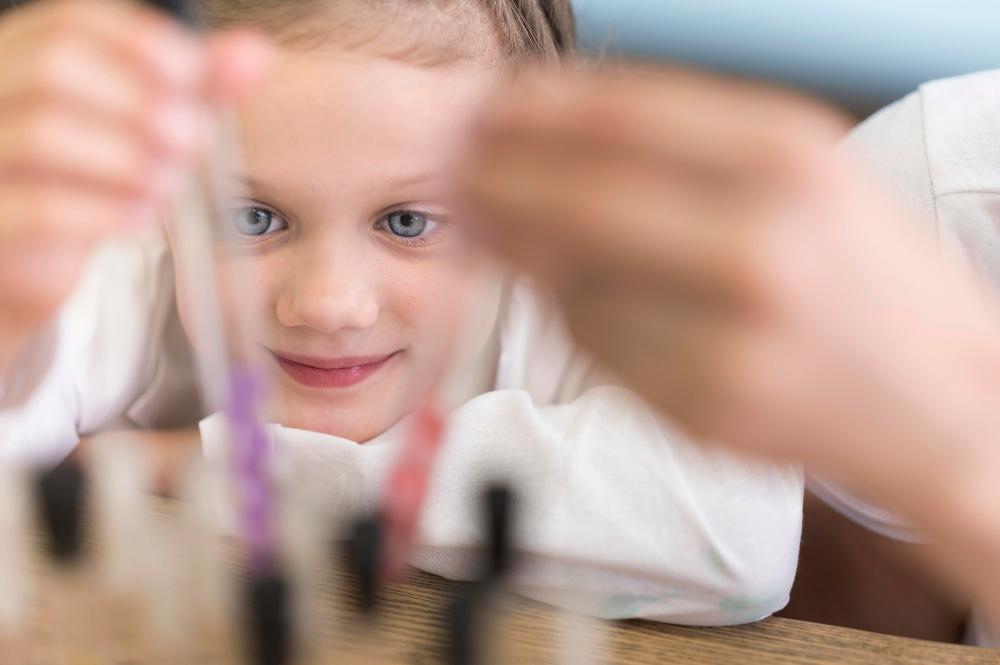
 Memorial area families have always prioritized educational excellence, and they understand that some children need specialized support to develop the focus and self-control skills essential for academic and social success. If your child struggles with impulse control, emotional regulation, or maintaining attention in traditional classroom settings, iBis Learning offers Memorial families a research-based solution that addresses these challenges while maintaining the high academic standards your community expects.
Executive Function Excellence at IBis Learning
Located conveniently for families throughout zip code 77024 and surrounding Memorial neighborhoods, iBis Learning provides specialized executive function support that helps children develop the self-regulation skills they need while receiving exceptional academic instruction. Our small class environment and expert approach create the perfect setting for Memorial children who need additional support building focus and self-control abilities.
Why Memorial Families Choose iBis Learning for Self-Control Support
Memorial area parents recognize that children with self-control challenges often struggle not because they lack intelligence or good intentions, but because they need different approaches to developing executive function skills. Traditional large classrooms can overwhelm children who are still learning to manage their impulses and regulate their emotions, making it difficult for them to demonstrate their true capabilities.
What sets iBis Learning apart for Memorial families:
- Research-based approach: Evidence-backed methods for developing self-control and focus
- Small class sizes: Maximum 1:12 ratios ensure personalized attention for every child
- Calm learning environment: Thoughtfully designed spaces that support emotional regulation
- Integrated skill development: Executive function skills taught through engaging academic content
- Family collaboration: Regular communication and home strategy support
Memorial-specific advantages:
- Convenient location: Easy access from Memorial Park, Galleria, and Memorial Villages areas
- Professional understanding: Program designed for busy families who value educational excellence
- Community connections: Children maintain neighborhood friendships while receiving specialized support
- Academic rigor: High-quality instruction that meets Memorial families' educational expectations
Results Memorial families experience:
- Children who had frequent meltdowns develop better emotional regulation
- Improved ability to focus during academic tasks and follow classroom expectations
- Better impulse control leading to stronger peer relationships
- Increased independence and confidence in managing challenging situations
- Reduced stress at home as self-control skills transfer to family life
Many Memorial families come to us after experiencing frustration in traditional schools where their intelligent children were struggling with behavior expectations rather than academic content. In our supportive environment, these same children often flourish as they develop the executive function skills they need for success.
How Small Classes Improve Focus in Memorial Area Children
Children with focus challenges often struggle in large, chaotic classroom environments where distractions are abundant and individual support is limited. Memorial area families understand the value of personalized attention, and our small class approach provides the ideal environment for developing stronger focus and attention skills.
Benefits of our 1:12 maximum ratio for focus development:
Reduced Environmental Distractions
- Calmer atmosphere: Fewer children means less noise and visual stimulation
- Organized spaces: Clear, predictable environments that support attention
- Flexible seating: Options that help children find their optimal focus positions
- Natural lighting: Soothing environmental elements that promote concentration
Individualized Attention and Support
- Immediate feedback: Quick responses when children demonstrate good focus or need redirection
- Personal relationship: Teachers know each child's attention patterns and triggers
- Customized strategies: Focus techniques adapted to individual learning styles
- Prevention approach: Early intervention before attention difficulties escalate
Skill-Building Opportunities
- Practice in real-time: Opportunities to use focus strategies during actual learning
- Success experiences: Appropriate challenges that build confidence and attention stamina
- Peer modeling: Learning from classmates who demonstrate good focus habits
- Natural reinforcement: Focus improvements lead to academic and social success
How our Memorial location supports focus development:
Memorial area children often come from stimulating, activity-rich environments. Our program helps them learn to channel their energy and curiosity productively while developing the ability to focus when needed.
Environmental design for Memorial children:
- Organized learning spaces: Everything has a designated place, reducing visual distractions
- Quiet retreat areas: Spaces where children can regroup when feeling overwhelmed
- Movement opportunities: Structured ways to release energy that support rather than disrupt learning
- Sensory considerations: Lighting, sound, and texture choices that support attention and regulation
Children from Memorial area families often show rapid improvement in focus when they experience our calm, organized learning environment combined with expert executive function support.
Self-Control Development Through Executive Function Training
Self-control isn't about willpower—it's about developing the executive function skills that help children think before acting, manage their emotions appropriately, and make good choices even in challenging situations. Our specialized approach helps Memorial children build these crucial abilities through engaging, age-appropriate activities.
Our comprehensive self-control development includes:
Impulse Control Training
- Stop-and-think strategies: Techniques for pausing before acting
- Choice-making practice: Learning to consider consequences before deciding
- Delay gratification activities: Building the ability to wait for better outcomes
- Social skills support: Understanding how impulses affect relationships with others
Emotional Regulation Skills
- Feeling identification: Learning to recognize and name emotional states accurately
- Calming techniques: Practical strategies for managing big emotions independently
- Problem-solving approaches: Constructive ways to handle frustrating situations
- Communication skills: Expressing needs and feelings appropriately
Attention and Focus Development
- Mindfulness activities: Age-appropriate techniques for developing sustained attention
- Concentration games: Engaging activities that build focus skills naturally
- Distraction management: Learning to maintain attention despite environmental challenges
- Task persistence: Building stamina for completing challenging or lengthy activities
Social Self-Control
- Turn-taking practice: Learning to wait and share in group activities
- Conflict resolution: Peaceful ways to handle disagreements with peers
- Cooperation skills: Working effectively with others toward common goals
- Leadership development: Appropriate ways to guide and help others
Integration with academic learning:
Rather than teaching self-control in isolation, we weave these skills throughout daily academic instruction. Children practice impulse control during math activities, develop emotional regulation through creative writing, and strengthen attention through engaging science investigations.
This integrated approach helps Memorial children see the relevance of self-control skills while building academic knowledge simultaneously. They experience success in both areas, creating positive cycles that reinforce continued growth.
Family collaboration for Memorial families:
We understand that Memorial parents are busy professionals who need practical, effective strategies they can use at home. Our approach includes:
- Regular progress updates: Clear communication about skills being developed and practiced
- Home strategy suggestions: Practical techniques that work with family schedules and lifestyles
- Consistency support: Ensuring similar approaches across home and school environments
- Celebration planning: Recognizing improvements and milestones in meaningful ways
Supporting Memorial Children with Attention Challenges
Every child with attention difficulties has unique strengths and areas for growth. Our individualized approach recognizes that attention challenges can manifest differently and require personalized strategies to help children reach their full potential while maintaining the academic excellence Memorial families expect.
Common attention challenges we address:
Hyperactivity and High Energy
- Structured movement breaks: Planned physical activities that support rather than disrupt learning
- Energy channeling: Productive outlets for high energy that benefit the whole class
- Self-awareness development: Learning to recognize energy levels and manage them appropriately
- Leadership opportunities: Ways for energetic children to contribute positively to the group
Distractibility and Inattention
- Environmental modifications: Reducing distractions while teaching attention strategies
- Interest-based engagement: Using natural curiosities to maintain focus and motivation
- Attention training: Gradual building of sustained attention abilities through practice
- Success scaffolding: Providing appropriate support to experience focus success
Executive Function Difficulties
- Planning skill instruction: Direct teaching of organization and time management strategies
- Memory support techniques: Methods for remembering directions and important information
- Flexibility training: Learning to adapt when situations change unexpectedly
- Independence building: Gradually increasing self-direction and personal responsibility
Specialized support for Memorial children:
Memorial area children often come from families where high achievement and busy schedules are the norm. Our program helps them develop the executive function skills needed to manage complexity and expectations while maintaining their natural curiosity and love of learning.
Academic integration approach:
- Strength-based learning: Building on what children do well while addressing areas for growth
- Real-world applications: Connecting attention skills to meaningful, relevant activities
- Success documentation: Tracking and celebrating improvements in both attention and academics
- Future preparation: Developing skills that will serve children well in competitive academic environments
Many Memorial families report that their children's improved attention and self-control at school transfers to better cooperation and independence at home, making family life more peaceful and enjoyable for everyone.
The Memorial Advantage for Executive Function Learning
Memorial area's emphasis on educational excellence and community support creates unique advantages for families seeking specialized executive function education. Our program aligns perfectly with Memorial values while providing the individualized attention that children with focus and self-control challenges need to thrive.
Community benefits for executive function development:
Educational Excellence Culture
- High expectations: Memorial families understand the importance of developing strong learning skills
- Professional understanding: Many parents recognize executive function skills from their own careers
- Resource awareness: Community appreciation for specialized educational approaches
- Future orientation: Focus on skills that prepare children for long-term success
Supportive Network Environment
- Family connections: Building relationships with other families who understand attention challenges
- Community acceptance: Memorial area's diversity includes learning differences and individual needs
- Professional resources: Access to additional support services when needed
- Collaboration opportunities: Working with families who share similar values and goals
Location advantages:
- Convenient access: Easy commute from Memorial Park, Galleria, and surrounding neighborhoods
- Familiar community: Children can maintain friendships while receiving specialized support
- Family involvement: Accessible location allows for greater parent participation and engagement
- Integration opportunities: Smooth transitions to other Memorial area schools when appropriate
Preparation for Memorial area opportunities:
Children who develop strong executive function skills are well-prepared for the competitive academic and extracurricular opportunities available in the Memorial area. The self-control, focus, and planning abilities they develop serve them well in:
- Academic programs: Magnet schools, private schools, and advanced coursework
- Athletic activities: Sports that require discipline, focus, and teamwork
- Arts programs: Creative activities that benefit from sustained attention and practice
- Leadership opportunities: Roles that require self-regulation and social skills
Focus and Self-Control Support Questions
How do you help children who have frequent emotional outbursts?
We approach emotional regulation as a learnable skill rather than a behavioral problem. Our teachers are trained to recognize early signs of frustration and help children use calming strategies before outbursts occur. We teach practical techniques like deep breathing, counting, and taking breaks, while also helping children identify their triggers and develop prevention strategies.
Will focusing on self-control interfere with my child's academic progress?
Self-control skills actually enhance academic learning by providing children with the mental tools they need to focus, follow directions, and persist through challenges. When children can regulate their emotions and attention better, they're much more available for learning academic content. Most families report improvements in both behavior and academics.
How do you handle children who struggle with impulse control during group activities?
Our small class size allows teachers to provide immediate, individualized support during group activities. We use visual cues, proximity support, and pre-arranged signals to help children practice self-control in real-time. We also structure activities to set children up for success and provide plenty of practice opportunities for developing better impulse control.
What if my child has been diagnosed with ADHD or other attention conditions?
We welcome children with various learning profiles and work collaboratively with families to understand each child's needs. While we don't provide therapeutic services, our educational approach often complements other interventions children may be receiving. Our small classes and executive function focus can be particularly beneficial for children with attention-related diagnoses.
How long does it typically take to see improvements in focus and self-control?
Every child develops at their own pace, but many families notice improvements in emotional regulation within the first few weeks as children adjust to our calm, structured environment. Significant skill development in focus and self-control typically occurs over months rather than weeks, and we work with families to celebrate progress throughout the journey.
Do you provide strategies that families can use at Memorial area homes?
Absolutely. We provide families with specific strategies that work well at school and help them adapt these techniques for home use. We understand that Memorial families have busy schedules, so we focus on practical approaches that can be integrated into existing routines and family activities.
How do children transition to other schools after developing these skills?
Children who develop strong executive function skills are typically very well-prepared for transitions to other educational settings. The self-control, attention, and emotional regulation abilities they develop with us transfer to any environment. Many families report that their children become leaders and confident students when they move to other Memorial area schools.
Ready to help your Memorial area child develop the focus and self-control skills they need for academic and social success? At iBis Learning, we understand that attention challenges are opportunities for growth, and our expert executive function approach helps children build crucial life skills while maintaining academic excellence.
Contact us today to discuss your child's specific needs and learn how our specialized program can benefit your Memorial area family.
Schedule a tour to see how our small classes and executive function expertise create an environment where children with focus and self-control challenges can thrive.