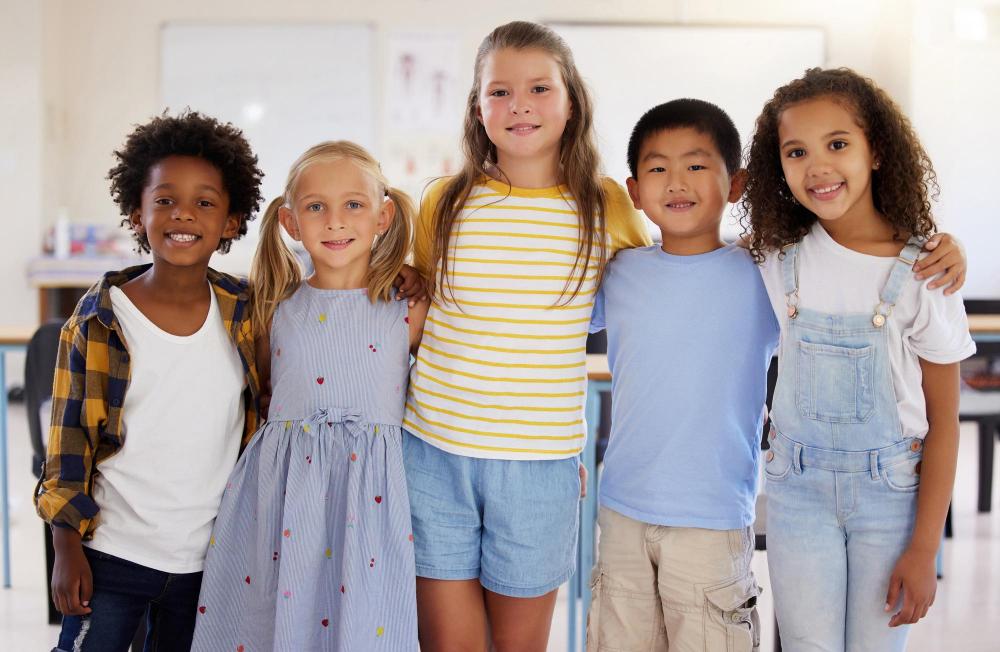
 Houston parents searching for "small class size school near me" understand that individual attention makes a crucial difference in their child's educational experience. As traditional public schools struggle with overcrowding and large class sizes that often exceed 25-30 students per teacher, families throughout the Houston metro area are seeking schools that prioritize personalized learning through genuinely small classes.
Finding Individual Attention in Houston
Finding schools with small class sizes isn't just about numbers—it's about creating educational environments where every child is known, valued, and supported in their individual learning journey. The right small class environment can transform a child's academic confidence, social development, and love of learning in ways that simply aren't possible in overcrowded classrooms.
Why Small Class Sizes Matter for Houston Children
The research is clear: small class sizes provide significant advantages for children's academic achievement, social development, and overall school experience. For Houston families navigating a competitive educational landscape, small classes offer the individualized attention that helps children reach their full potential.
Academic impact of small classes:
Individual attention and support
- Immediate feedback: Teachers can respond quickly to student questions and provide real-time guidance
- Personalized instruction: Ability to adapt teaching methods to each child's learning style and pace
- Prevention of learning gaps: Early identification and support before small problems become big challenges
- Meaningful participation: Every child has opportunities to contribute and engage actively in learning
Deeper learning opportunities
- Complex discussions: Rich conversations that help children develop critical thinking skills
- Extended exploration: Time to dive deeply into topics that interest individual children
- Creative expression: Opportunities for unique approaches and innovative thinking
- Mastery-focused pacing: Moving forward when children truly understand rather than by calendar dates
Social and emotional benefits:
Stronger relationships
- Teacher connections: Meaningful relationships between educators and individual children
- Peer friendships: Closer bonds with classmates in intimate learning communities
- Family involvement: More opportunities for parents to connect with teachers and other families
- Community belonging: Sense of being an important part of something special
Enhanced social skills
- Communication development: Regular opportunities to express ideas and listen to others
- Collaboration abilities: Working effectively with peers in small group settings
- Conflict resolution: Learning to solve problems peacefully with guidance and support
- Leadership growth: Chances for every child to take on leadership roles and responsibilities
Houston-specific advantages of small classes:
Houston's diverse population means children come to school with varied backgrounds, experiences, and learning needs. Small class sizes allow teachers to honor this diversity while ensuring every child receives appropriate challenge and support.
Why Houston families need small classes:
- Cultural responsiveness: Teachers can learn about and incorporate each child's cultural background
- Language support: Individualized attention for English language learners and bilingual development
- Learning differences: Accommodation of diverse learning styles and needs within one classroom
- Academic preparation: Personalized support for competitive Houston academic opportunities
What to Expect from Schools with Small Classes
Understanding what life actually looks like in small class environments helps families know whether this educational approach aligns with their goals and their child's needs.
Academic benefits of small classes
Individualized instruction and pacing:
In small class settings, teachers can truly know each child's academic strengths, interests, and areas for growth. This knowledge allows for instruction that meets children exactly where they are rather than teaching to the middle of a large group.
How individualized instruction works:
- Flexible grouping: Children work with different peers based on skill level and interest rather than just age
- Multiple learning modalities: Teachers can use varied approaches within the same lesson to reach different learners
- Extended learning time: Ability to spend more time on concepts when children need deeper understanding
- Acceleration opportunities: Advanced learners can move ahead without waiting for the entire class
Enhanced participation and engagement:
Small classes create environments where shy children feel comfortable participating and energetic children receive appropriate outlets for their enthusiasm.
Participation benefits:
- Voice and choice: Every child's opinions and ideas are heard and valued
- Active learning: Hands-on, engaging activities rather than passive listening
- Question encouragement: Safe spaces for children to ask questions and explore curiosities
- Risk-taking support: Comfortable environments for trying new approaches and making mistakes
Social-emotional advantages
Stronger sense of community:
Small class environments naturally foster close-knit learning communities where children feel known and valued by both teachers and peers.
Community building elements:
- Class meetings: Regular opportunities for children to share ideas and solve problems together
- Collaborative projects: Working together toward common goals that benefit the whole group
- Peer support: Natural helping relationships between children with different strengths
- Celebration of differences: Appreciation for what makes each child unique and special
Emotional safety and support:
Teachers in small classes can notice and respond to children's emotional needs more readily, creating environments where social-emotional learning happens naturally.
Emotional support features:
- Individual check-ins: Regular opportunities to understand how each child is feeling and coping
- Conflict mediation: Immediate support for working through peer disagreements constructively
- Stress reduction: Calmer environments with less overwhelming social and academic pressure
- Confidence building: Success experiences that help children develop positive self-concepts
Family involvement opportunities
Meaningful parent partnerships:
Small schools often create opportunities for deeper family involvement and stronger home-school partnerships than large institutions can provide.
Family engagement benefits:
- Regular communication: Frequent, detailed updates about individual children's progress and experiences
- Volunteer opportunities: Meaningful ways to contribute to classroom learning and school community
- Decision-making participation: Family voice in educational decisions and school direction
- Social connections: Strong networks among families with shared educational values
Home-school consistency:
Teachers in small classes can work more closely with families to ensure consistent approaches between home and school environments.
Consistency advantages:
- Shared strategies: Techniques that work at school adapted for home use
- Coordinated support: Aligned approaches for addressing challenges or building on strengths
- Cultural integration: Incorporation of family values and traditions into classroom learning
- Transition support: Smooth communication during changes or difficult periods
How to Find High-Quality Small Class Schools Near You
Not all schools that advertise small classes actually provide the individualized attention and community benefits that families seek. Knowing what to look for helps ensure you find programs that truly deliver on the promise of small class education.
Essential characteristics of effective small class schools
Authentic small ratios:
Look for schools that maintain consistently small classes rather than averaging large and small classes to achieve lower overall ratios.
Questions to ask about class sizes:
- What is the actual number of students in each classroom, not just the average?
- How do you ensure class sizes remain small as enrollment grows?
- What is your maximum class size policy, and do you ever make exceptions?
- How do you handle growth while maintaining small class benefits?
Teacher qualifications and training:
Small class teaching requires different skills than large group instruction. Effective teachers in small class settings know how to facilitate discussions, manage multi-age or multi-level groups, and provide individualized instruction.
Teacher quality indicators:
- Professional credentials: Appropriate education and training for the age groups served
- Experience with small groups: Background in differentiated instruction and personalized learning
- Communication skills: Ability to build relationships with children and families
- Collaborative mindset: Willingness to work closely with families and other professionals
School culture and community
Collaborative rather than competitive atmosphere:
High-quality small class schools emphasize personal growth and learning rather than competition between students.
Positive culture signs:
- Growth mindset: Focus on improvement and effort rather than just achievement
- Individual celebration: Recognition of each child's unique progress and contributions
- Mistake-friendly environment: Safe spaces for learning through trial and error
- Inclusive practices: Welcoming atmosphere for families from diverse backgrounds
Strong family-school partnerships:
Look for schools that genuinely welcome family involvement and value parent input in children's education.
Partnership indicators:
- Open communication: Regular, meaningful contact about children's experiences
- Volunteer opportunities: Ways for families to contribute meaningfully to school community
- Decision-making involvement: Family voice in educational policies and practices
- Problem-solving collaboration: Working together constructively when challenges arise
Academic program quality
Curriculum that takes advantage of small classes:
The best small class schools design their academic programs specifically to leverage the benefits of individual attention and close relationships.
Program features to look for:
- Discussion-based learning: Socratic seminars and collaborative problem-solving
- Project-based instruction: Complex, real-world learning experiences
- Individual conferencing: One-on-one meetings between teachers and students
- Flexible pacing: Ability to accelerate or provide additional support as needed
Assessment that honors individual growth:
Small class schools often use assessment approaches that focus on individual progress rather than comparison to grade-level standards.
Assessment approaches:
- Portfolio development: Collections of work showing growth over time
- Narrative evaluations: Detailed descriptions of learning and development
- Student self-reflection: Teaching children to evaluate their own progress
- Conference-based reporting: Regular meetings to discuss individual growth and goals
iBis Learning: Houston's Premier Small Class Experience
Located in Spring Branch and serving families throughout the Houston metro area, iBis Learning provides the authentic small class experience that Houston families seek—combining genuine individual attention with academic excellence and innovative educational approaches.
What makes iBis Learning's small classes exceptional
Guaranteed small ratios: We maintain a maximum teacher-to-student ratio of 1:12 across all age groups, ensuring every child receives the individual attention they deserve. Unlike schools that average large and small classes, every classroom at iBis Learning provides genuine small class benefits.
Mixed-age learning environment: Our small classes include children ages 4-8 learning together, creating natural mentoring opportunities and allowing each child to learn at their developmentally appropriate level rather than being constrained by chronological age groupings.
Intentionally small school size: With a maximum enrollment of 48 students total, iBis Learning maintains the intimate community atmosphere that makes small classes truly effective. Every child is known by every teacher, creating a supportive extended family environment.
How our small classes enhance learning
Personalized academic instruction:
- Individual learning plans: Customized approaches based on each child's strengths, interests, and learning style
- Flexible pacing: Children advance when ready rather than being held back or rushed by group pacing
- Rich discussions: Every child's voice is heard and valued in classroom conversations
- Project-based learning: Complex, engaging activities that benefit from small group collaboration
Executive function development through small classes: Our small class environment provides ideal conditions for developing focus, organization, and self-regulation skills that predict long-term success.
Dual-language advantages in small classes: Unlike large dual-language programs where children can get lost, our small classes ensure every child receives appropriate support and challenge in both Spanish and English development.
Houston family benefits at iBis Learning
Strong family-school partnerships: Small classes allow for meaningful relationships between families and teachers, with regular communication about each child's progress and development.
Community connections:
- Close family networks: Relationships with like-minded families who share similar educational values
- Regular communication: Frequent, detailed updates about your child's daily experiences and growth
- Volunteer opportunities: Meaningful ways to contribute to your child's classroom and school community
- Decision-making participation: Family voice in educational approaches and school direction
Real outcomes Houston families experience
Academic growth:
- Children develop strong foundational skills through individualized instruction
- Advanced learners receive appropriate challenges and acceleration
- Children needing additional support get immediate help before gaps develop
- Love of learning flourishes in supportive, engaging small class environment
Social-emotional development:
- Stronger peer relationships through close-knit classroom communities
- Enhanced communication skills from regular participation in small group discussions
- Increased confidence from feeling known and valued by teachers and classmates
- Natural leadership development through mixed-age interactions
Family life improvements:
- Reduced stress around homework due to better individual support at school
- Increased child enthusiasm for learning and school attendance
- Better communication between school and home about child's needs and progress
- Access to supportive community of families with shared values
Convenient Houston location
Spring Branch accessibility: Our central Houston location provides easy access for families throughout the metro area, with convenient routes from Memorial, Energy Corridor, Heights, and other Houston neighborhoods.
Community integration: Families can access our specialized small class program while maintaining connections to their local communities and activities.
Future-focused preparation: Children who develop strong learning skills, confidence, and self-direction in our small classes are well-prepared for success in any future educational environment they choose.
Small Class Size Schools and Individual Attention
How small is "small" when it comes to class sizes?
Genuinely small classes typically have no more than 12-15 students per teacher. Schools with 18-20 students per class may call themselves "small" but won't provide the same level of individual attention as truly small classes. Look for specific numbers rather than general claims about small classes.
Will my child get enough social interaction in a small class setting?
Small classes actually often provide richer social interactions because children get to know each other well and teachers can facilitate meaningful relationships. Mixed-age groupings in small schools also provide opportunities to interact with children of different ages, developing empathy and communication skills.
How do small class schools ensure academic rigor?
Small classes allow for more challenging, discussion-based learning and complex projects that require higher-order thinking skills. Individual attention means children can be appropriately challenged at their level rather than being limited by group pacing.
What if my child needs more structure or stimulation than a small class provides?
Small class environments can be highly structured when needed, and teachers can provide appropriate stimulation through engaging activities. The key is finding a school whose approach matches your child's specific needs rather than assuming small classes are automatically less structured.
How do costs of small class schools compare to other options?
Small class schools often have higher per-student costs due to lower teacher-to-student ratios, but many families find excellent value in the individualized attention and strong outcomes. Consider the potential savings on tutoring and other services when children receive appropriate support at school.
How do children transition from small classes to larger school settings?
Children from small class environments often transition successfully because they've developed strong communication skills, self-advocacy abilities, and confidence. Many report feeling well-prepared for larger settings because they learned to think critically and express themselves clearly.
What should I observe when visiting small class schools?
Watch how teachers interact with individual children, notice whether every child seems engaged and known, observe the quality of peer interactions, and ask current families about their experiences with individual attention and community building.
Ready to find a small class environment where your child can thrive? Individual attention makes a profound difference in children's educational experience, and the right small class school can provide the personalized support your child deserves. At iBis Learning, our small classes ensure every child is known, valued, and supported in their unique learning journey.
Contact us today to learn more about our small class approach and discover how individual attention can transform your child's school experience.
Schedule a tour to see our small classes in action and experience the difference that genuine individual attention makes for children's learning and development.